



المواد السائبة القياسية أو المخصصة
ما هو الأفضل لمشروعك؟
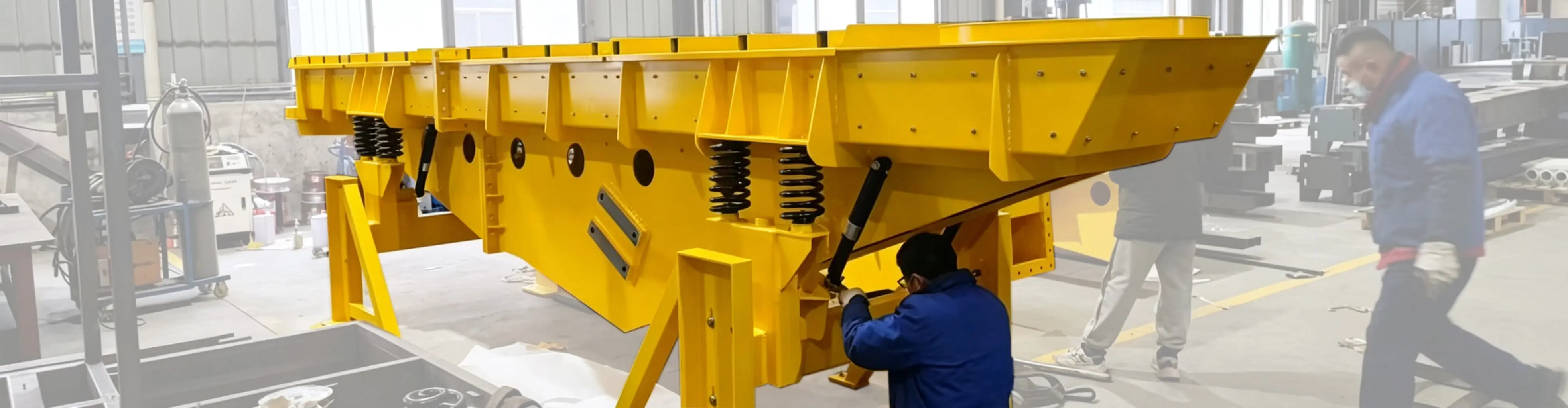
تُعدّ المغذيات الاهتزازية من المعدات الأساسية في صناعات مناولة المواد السائبة، حيث تُستخدم لنقل جميع أنواع المواد الصلبة السائبة والمساحيق والمواد الحبيبية بثبات وكفاءة. وهي تُشكّل الجزء الأساسي من... مغذي اهتزازي تُحدد البطانة الداخلية بشكل مباشر عمر التآكل لوحدة التغذية الاهتزازية، ومشاكل التصاق المواد، وتواتر الصيانة، والتكلفة التشغيلية الإجمالية. ومن بين جميع مواد التبطين الشائعة لوحدات التغذية الاهتزازية، يُعد البولي يوريثان (PU) والبولي تترافلوروإيثيلين (PTFE) الخيارين الأكثر شيوعًا لوحدات التغذية الاهتزازية الصناعية، حيث تُستخدم على نطاق واسع في صناعات التعدين، والكيماويات، ومواد البناء، وحماية البيئة.
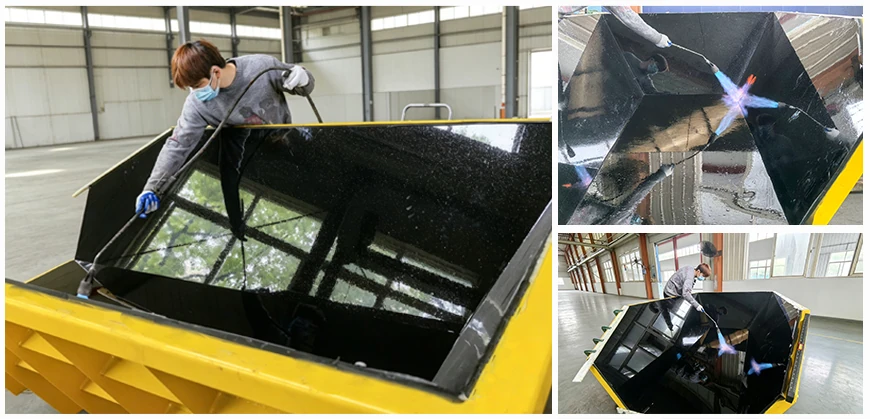
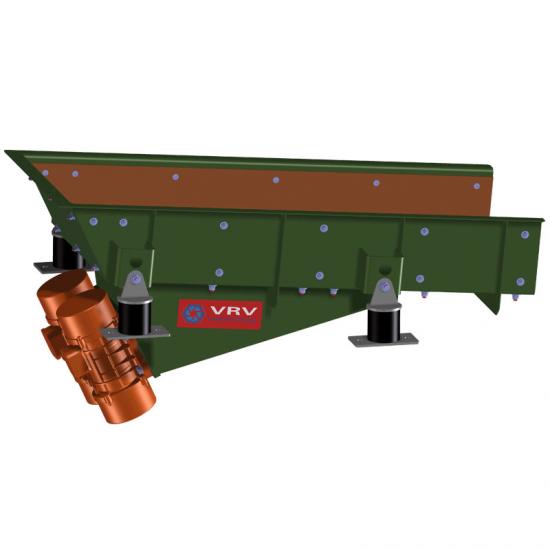
بطانة من البولي يوريثان المقاوم للتآكل لوحدة التغذية الاهتزازية، مقاومة ممتازة للصدمات وعمر خدمة طويل في التعدين ومناولة المواد السائبة
كثيرًا ما يقع مديرو المصانع والمهندسون الميكانيكيون وموظفو المشتريات الذين يبحثون عن مغذيات اهتزازية عالية الجودة في حيرة من أمرهم: ما هي مادة التبطين الأنسب لمغذياتهم الاهتزازية، ونوع المواد المستخدمة، وظروف التشغيل؟ فيما يلي، نشارككم خبرات عملية مستمدة من تطبيقات حقيقية في مواقع العمل للمغذيات الاهتزازية، لمساعدتكم على اتخاذ القرار الصحيح.
بطانة من البولي يوريثان (PU) لوحدة التغذية الاهتزازية
تُستخدم بطانة البولي يوريثان على نطاق واسع في الصناعة تتميز المغذيات الاهتزازية، والمغذيات الاهتزازية الكهرومغناطيسية، والمغذيات الاهتزازية المصممة حسب الطلب، بمقاومتها الفائقة للتآكل. كما تتمتع بمتانة عالية ومقاومة قوية للصدمات، مما يجعلها فعالة للغاية عند استخدامها مع المواد الكاشطة مثل خامات المعادن، ورمل الكوارتز، وخبث الأسمنت، والحبيبات الخشنة.
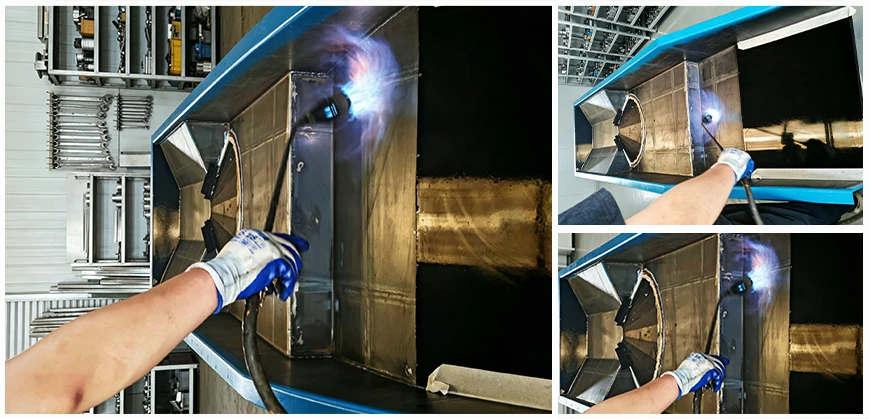
وحدة تغذية اهتزازية صناعية مزودة بطبقة داخلية من البولي يوريثان، مما يقلل بشكل فعال من التآكل ويطيل وقت تشغيل المعدات
عند تطبيق بطانة البولي يوريثان على وحدة تغذية اهتزازية، فإنها تلتصق بقوة باللوحة الداخلية للوحدة، ولا تنفصل بسهولة تحت تأثير الاهتزاز المستمر. تتميز هذه البطانة بتكلفتها المعقولة، وعمرها الافتراضي الأطول بكثير مقارنةً بالبطانة المطاطية العادية، مما يقلل بشكل فعال من تكاليف صيانة وحدة التغذية الاهتزازية.
تتمثل إحدى عيوب بطانة البولي يوريثان المستخدمة في المغذيات الاهتزازية في مقاومتها للحرارة. فهي ليست مثالية للمغذيات الاهتزازية التي تتعامل مع مواد ذات درجات حرارة عالية، كما أن تأثيرها في منع الالتصاق متوسط بالنسبة للمغذيات الاهتزازية التي تنقل مساحيق ناعمة ورطبة ولزجة.
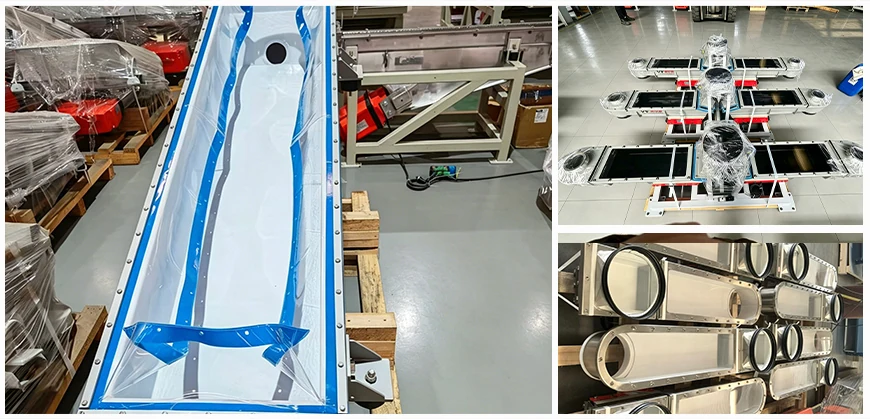
بطانة من مادة PTFE لوحدة التغذية الاهتزازية، تتميز بمقاومة جيدة للالتصاق والتآكل للمساحيق الناعمة والمواد الرطبة
تكمن نقطة ضعفه في مقاومته الضعيفة للصدمات، لذا فهو غير مناسب للمغذيات الاهتزازية التي تتعامل مع مواد ثقيلة وحادة وكبيرة الحجم تتعرض لصدمات قوية. وبالمقارنة مع بطانة البولي يوريثان، فإن التكلفة الإجمالية لبطانة البولي تترافلوروإيثيلين (PTFE) للمغذيات الاهتزازية أعلى.
عنصر الأداء
البولي يوريثان (PU)
مادة PTFE
مقاومة التآكل والصدمات
✅
مضاد للالتصاق وذو انسيابية في التدفق
✅
مقاومة التآكل
✅
القدرة على التكيف مع درجات الحرارة
✅
فعالية التكلفة
✅
مناسب للمواد الكاشطة والجسيمات الكبيرة
✅
مناسب للمساحيق الناعمة والرطبة واللزجة
✅
إذا كانت وحدة التغذية الاهتزازية الخاصة بك تتعامل بشكل أساسي مع المعادن والخامات والرمل والحبيبات الخشنة التي تتعرض للاحتكاك والصدمات القوية، بطانة من البولي يوريثان يُعد الخيار الأكثر موثوقية واقتصادية لمغذي الاهتزاز الخاص بك، مما يمكن أن يطيل عمر خدمة مغذي الاهتزاز ويقلل من الصيانة.
إذا كانت وحدة التغذية الاهتزازية الخاصة بك تتعامل مع مسحوق ناعم، أو مواد لزجة رطبة، أو مواد كيميائية، وكانت عرضة للانسداد،
بطانة من مادة PTFE
وهو أكثر عملية بالنسبة لوحدة التغذية الاهتزازية الخاصة بك، مما يضمن تغذية مستقرة لوحدة التغذية الاهتزازية ويقلل من التنظيف اليدوي.
تتخصص شركة VRV في تصميم وتصنيع مغذيات اهتزازية عالية الجودة حسب الطلب، بما في ذلك المغذيات الاهتزازية الكهرومغناطيسية، ويمكنها تزويد مغذيتك الاهتزازية ببطانة من البولي يوريثان أو البولي تترافلوروإيثيلين (PTFE) وفقًا لخصائص المواد ودرجة الحرارة وظروف العمل في الموقع. كما توفر VRV حلولًا مُخصصة لاستبدال بطانة مغذيتك الاهتزازية الحالية، مما يُساعدك على تحسين أدائها وخفض تكاليف التشغيل.
اتصل بنا :
008617855911791 بريد إلكتروني : sales@vrvibratory.com


 شبكة IPv6 مدعومة